Sandy place, deep roots
Eight centuries in one valley: a Tongva village, the state’s first commercial winery, the Mother Road, a Zappa studio, and a radio punchline — compressed into a city that only officially existed in 1977.
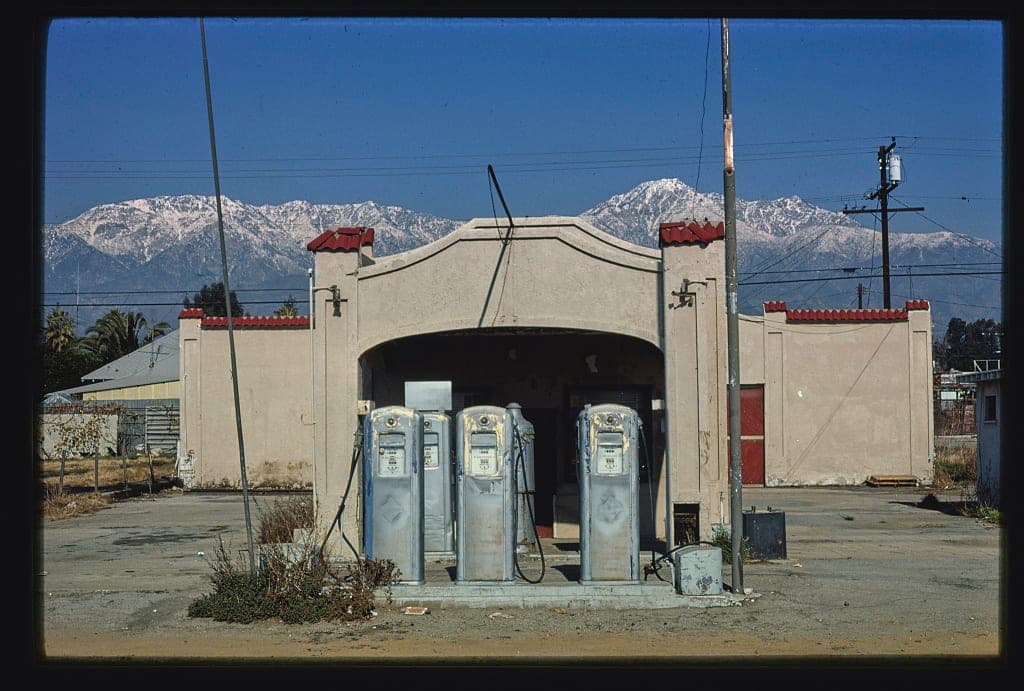 John Margolies · Wikimedia Commons · Public domain
- c. 1200
- Kukamonga
- A Kukamongan village stands at Red Hill — the Tongva name means 'sandy place,' and it will outlive everything built since. The sandy soil it describes later saves the valley's vines from phylloxera.
- 1839
- The Tapia grant
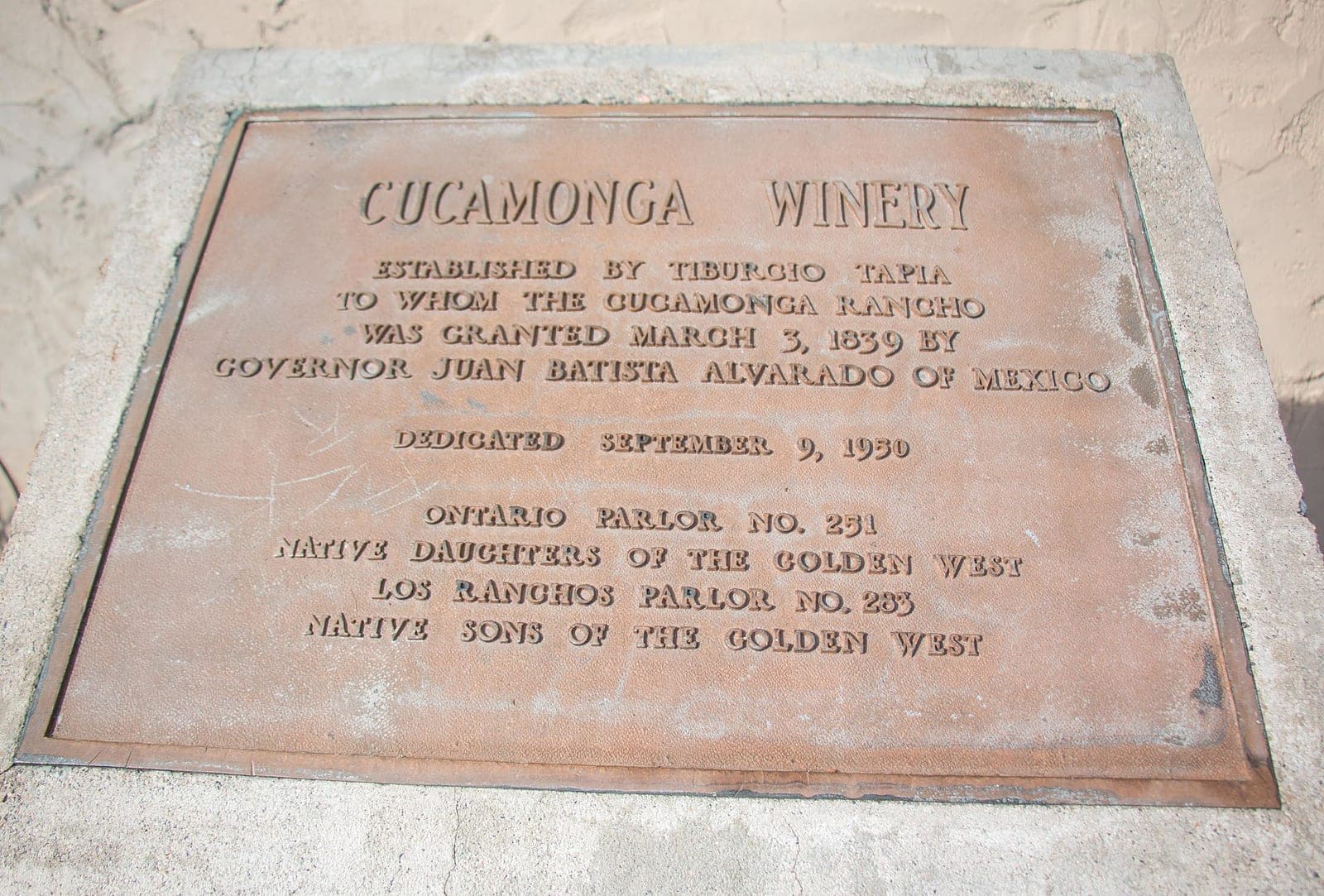
- Governor Alvarado grants 13,000 acres to Tiburcio Tapia, who plants vines on what's now the Thomas Winery Plaza site — the start of California's first commercial winery and eight decades of wine dominance.
- 1860
- The Rains House
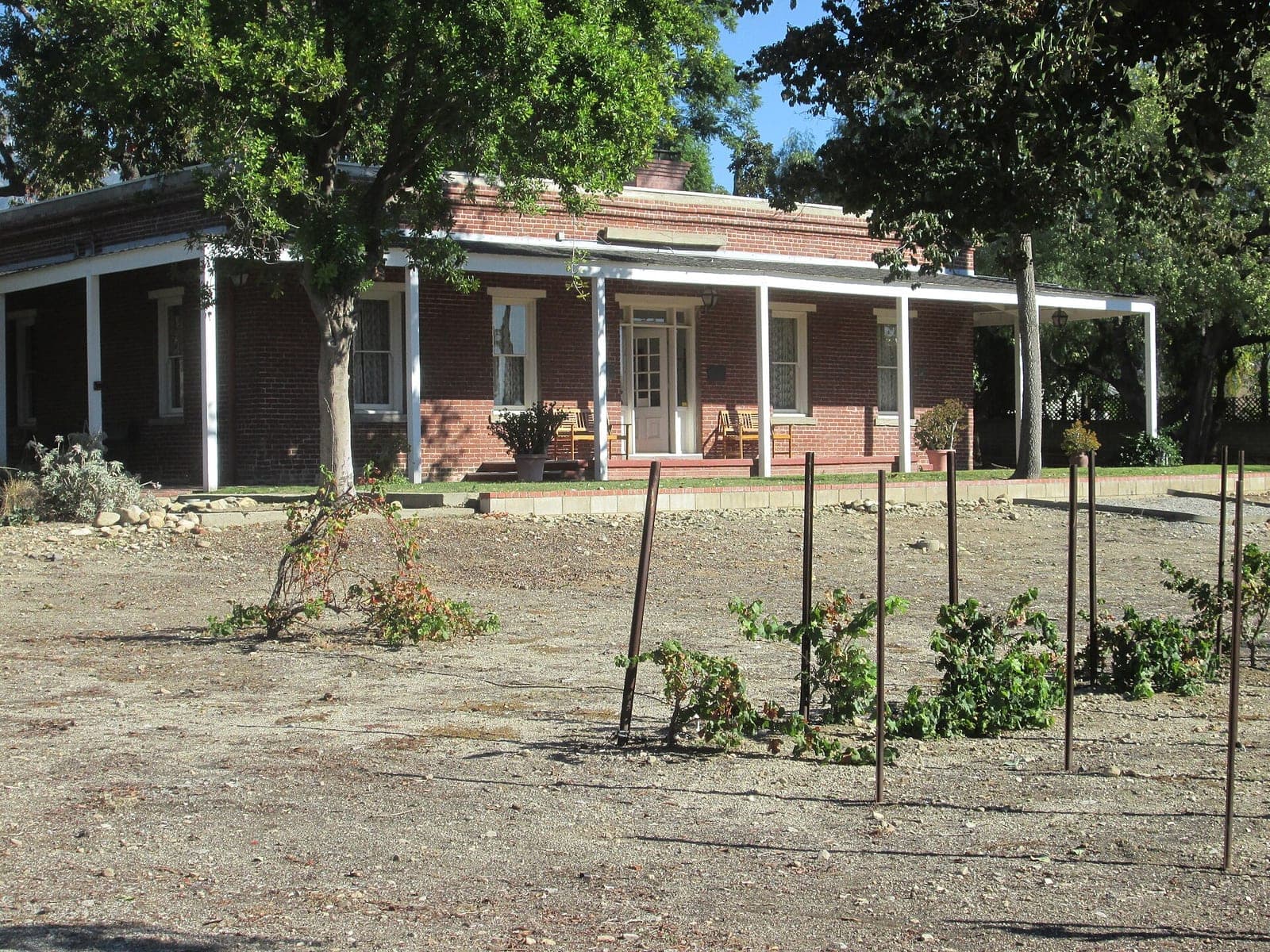
- John Rains and María Merced Williams build the fired-brick rancho on Hemlock Street that still stands — the city's oldest intact home, now a county museum (temporarily closed; call ahead).
- 1880s
- Colony towns
- George Chaffey lays out Etiwanda with some of the first electric streetlights in the West; Alta Loma grows citrus up the slope. Chinese laborers build much of the water and farm infrastructure — the 1919 Chinatown House is among the last physical traces of their community.
- 1926
- Route 66
- The new federal highway adopts Foothill Boulevard. For four decades everything America drives west in passes the vineyards, the Sycamore Inn, and — from 1940 — the Magic Lamp's neon.
- 1964
- Studio Z
- Frank Zappa buys Pal Recording Studio at 8040 N. Archibald Ave and renames it Studio Z, recording there until the building is demolished in 1965 to widen the street. The city's strangest what-if.
- 1950s on air
- The punchline
- The Jack Benny Program's running train call — 'Anaheim, Azusa and Cuc-a-monga!' — teaches most of America the name. The gag outlives the trains.
- 1977
- Incorporation
- Alta Loma, Cucamonga, and Etiwanda vote to merge as Rancho Cucamonga. The city's official motto becomes 'A World Class Community' — and no, 'Gateway to Route 66' is not one of its nicknames, whatever the internet says.
- 2026
- The centennial
- Route 66 turns one hundred with a year-long city program, and the last 400 acres of the great vineyard keep producing. Both stories get their own guides here.
Visit the evidence
Every surviving landmark, verified and mapped. For the full wine story, see the Cucamonga Valley guide; for the road, the Route 66 hub.
History
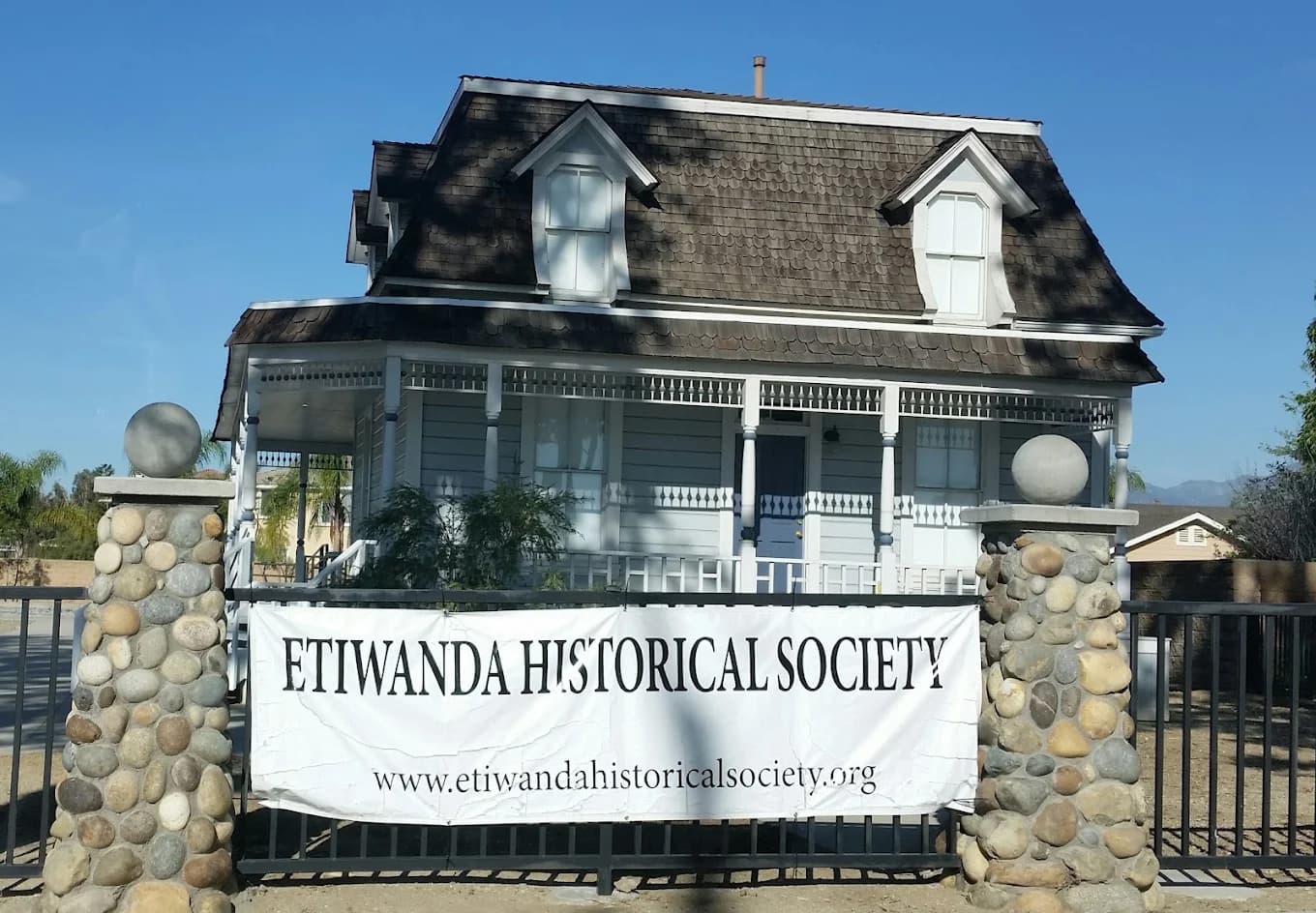
Chaffey-Garcia House
The Etiwanda Historical Society's house museum, open for $5 tours on second Saturdays — email ahead to confirm.
History
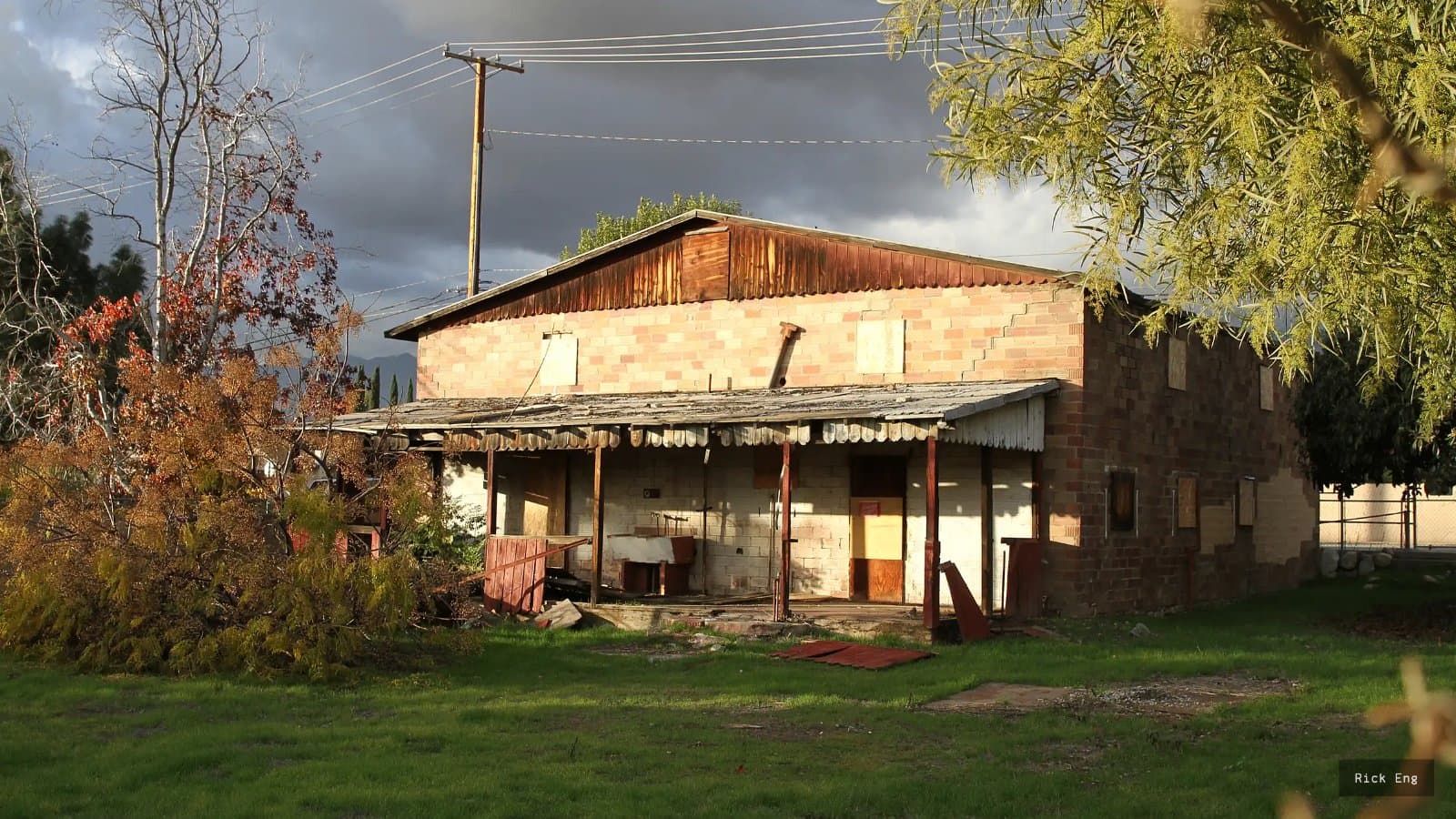
Chinatown House
A 1919 building you can't enter — one of the last physical traces of the Chinese workers who built this valley.
History
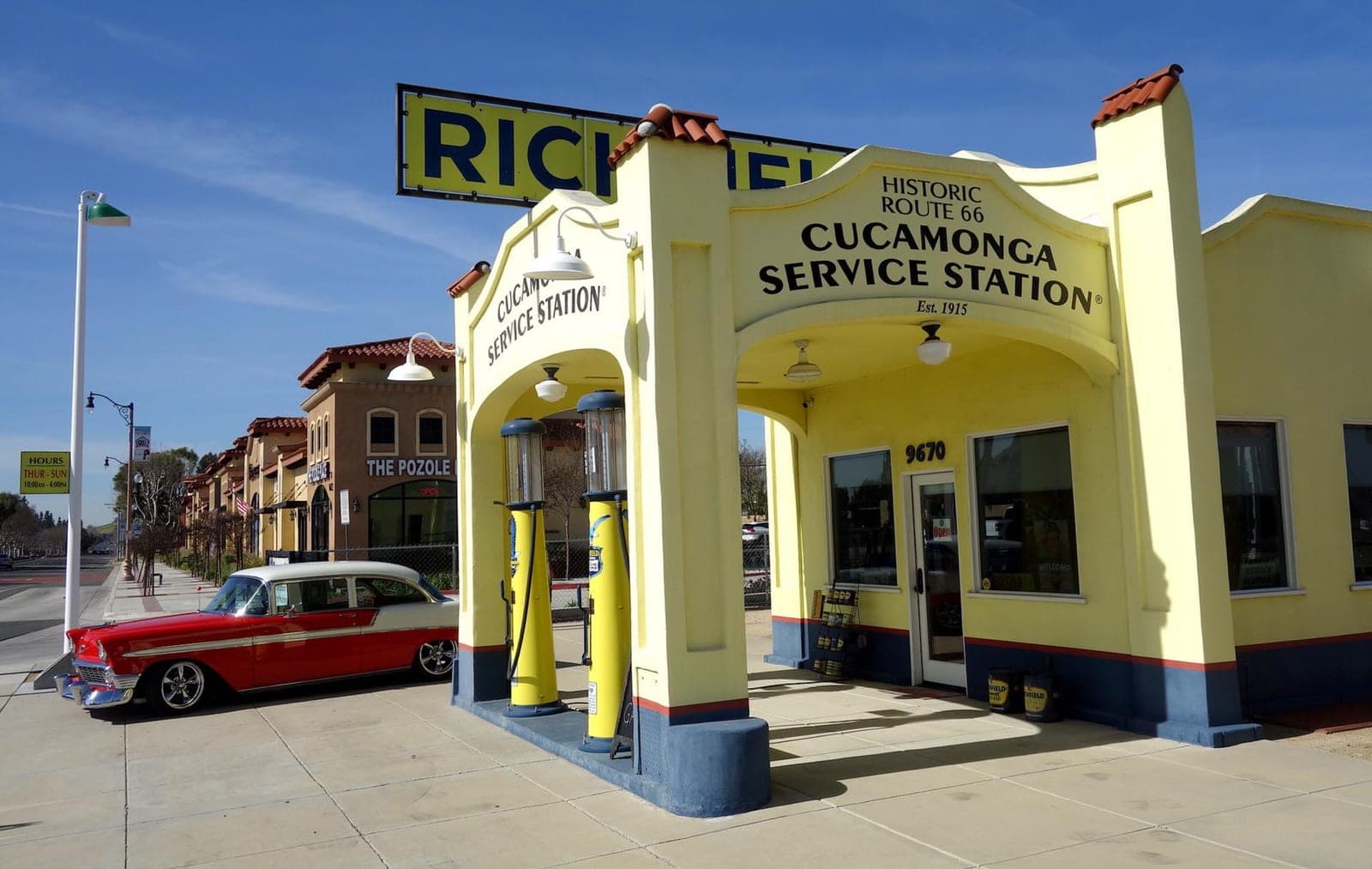
Cucamonga Service Station & Route 66 Museum
A 1915 filling station, restored — the only one of its kind left on Route 66 in California.
History
María Merced Williams & John Rains House
An 1860 brick rancho on the National Register — currently closed, so call before you go.
History
Thomas Winery Plaza
Not a winery anymore — a retail plaza on the site of California's first commercial winery, planted in 1839.
History
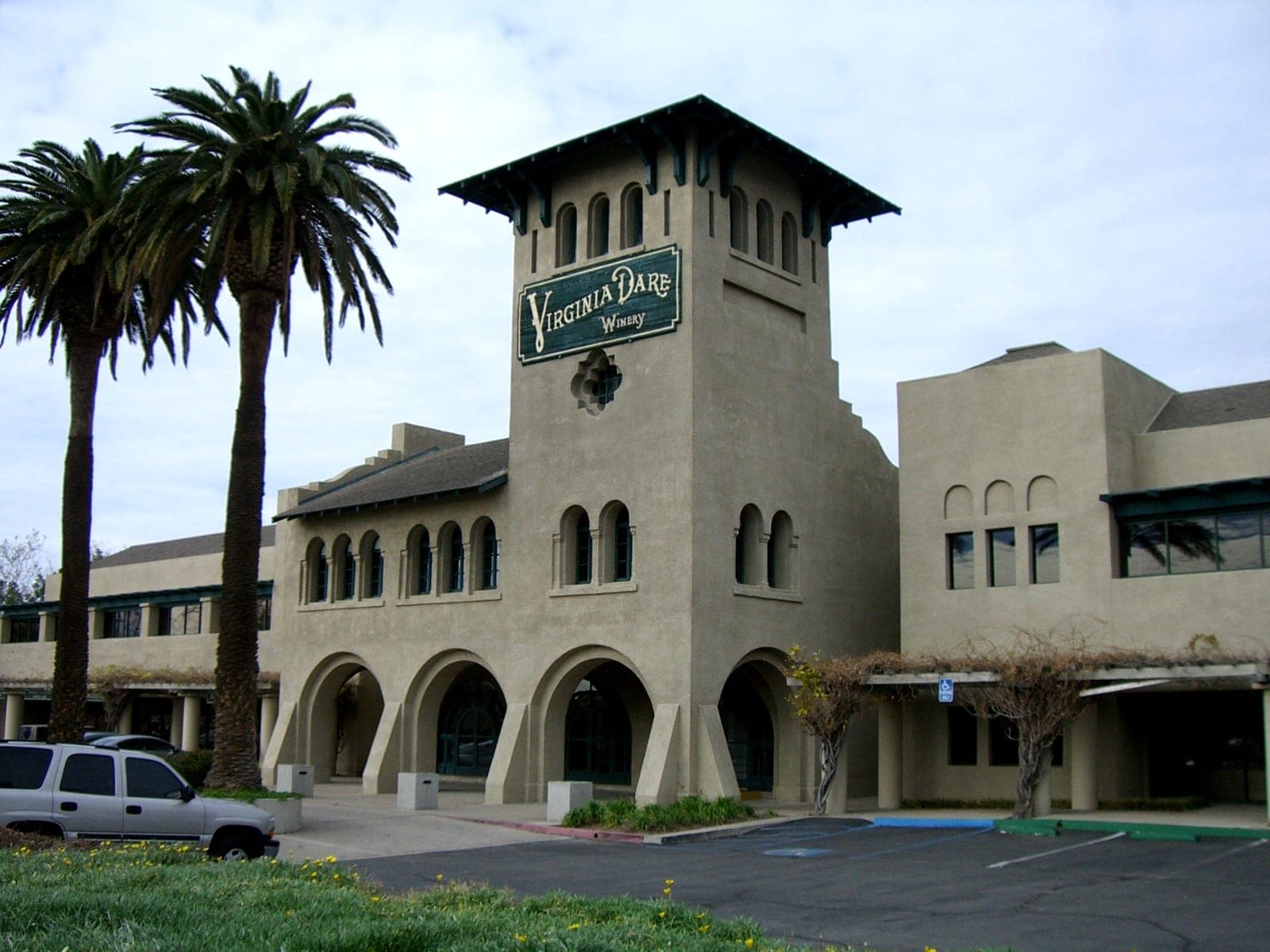
Virginia Dare Winery Tower
The 1908 bell tower of the old Virginia Dare Winery, standing over an office plaza — a two-minute landmark stop.