The valley that out-grew Napa
This is the best story in the Inland Empire, and almost nobody tells it: a century ago, the ground under Rancho Cucamonga’s warehouses and cul-de-sacs was the largest wine-growing district in America. A few hundred acres of it are still alive. You can drink them this weekend.
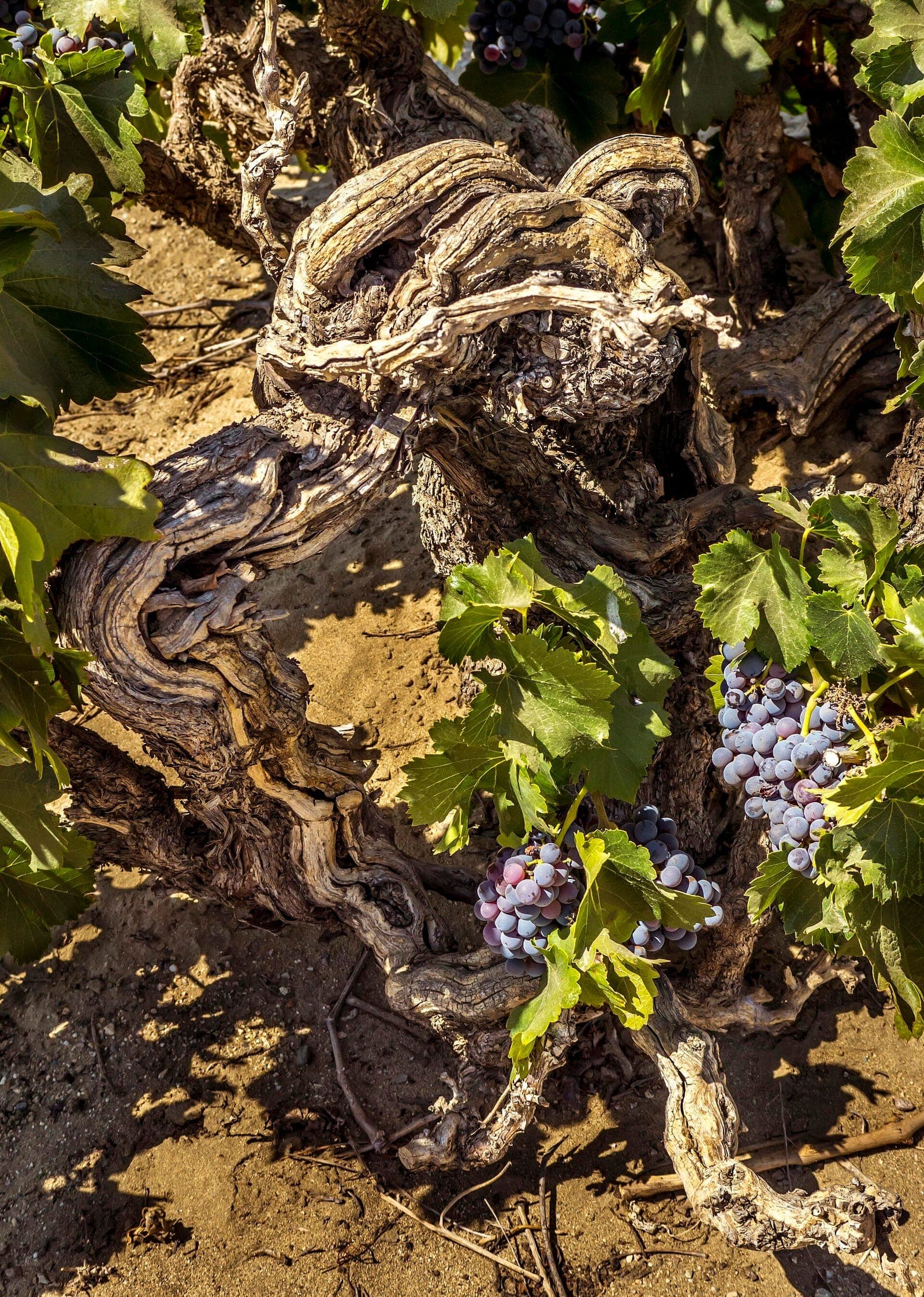 Steve Amaon, Photograper · Wikimedia Commons · CC BY-SA
A century in six beats
- 1839
- Governor Alvarado grants 13,000 acres to Tiburcio Tapia, who plants the vines that become California's first commercial winery.
- 1917
- The valley passes 20,000 planted acres — an expanse larger than Manhattan.
- 1920
- Cucamonga grows more wine grapes than Napa and Sonoma combined, and Prohibition ironically fuels it: home-winemaking demand ships trainloads of grapes east.
- 1950s–70s
- Freeways, warehouses, and suburbia take the vineyards faster than phylloxera ever could.
- March 31, 1995
- The Cucamonga Valley AVA is designated — the nation's 126th American Viticultural Area.
- Today
- Roughly 400 acres remain. One family — Galleano — farms about 96% of them, on own-rooted, dry-farmed vines in sandy loam that phylloxera never conquered.
Why these vines are special
The surviving blocks are viticultural time capsules: own-rooted — planted on their own roots, not grafted onto American rootstock — because the deep, sandy soil here never let phylloxera take hold. They’re dry-farmed, sending roots dozens of feet down for winter rain, and many are head-trained vines dating to the 1890s.
That combination is nearly extinct in California, and winemakers know it. Abe Schoener, Rajat Parr, Carol Shelton, and Scar of the Sea all buy Cucamonga fruit today — old-vine Zinfandel and forgotten varieties from a valley most of their customers couldn’t place on a map.
Where to taste it
Galleano Winery
The family that kept the valley alive. Old-vine Zinfandel, the fortified wines the region was famous for, and Three Friends Port — more international golds than any tawny port in America. Call (951) 685-5376 for tasting hours.
Rancho de Philo
A cult Triple Cream Sherry made from Mission grapes through a traditional Spanish solera. Sold in person one month a year — November — and worth planning around. Call (909) 987-4208 first.
The stones that remain
Drive the evidence: Thomas Winery Plaza holds the 1839 first-winery site (and Klatch’s espresso bar), and the Virginia Dare tower still rises over Foothill at Haven, built 1908 when that winery was a national brand.
And the honest note other guides skip: Joseph Filippi Winery — the last operating winery inside city limits — closed in 2025. We cover it as history, not as a destination, and we’re watching what happens to the historic Regina Winery property it occupied. No verified Grape Harvest Festival has been scheduled since the historic run ended; if that changes, you’ll see it on New & Now first.